


The Mechanics of Low-Energy Pipe Supports in Long-Distance Transport案例
Image Source: unsplash
Understanding Low-Energy Pipe Supports
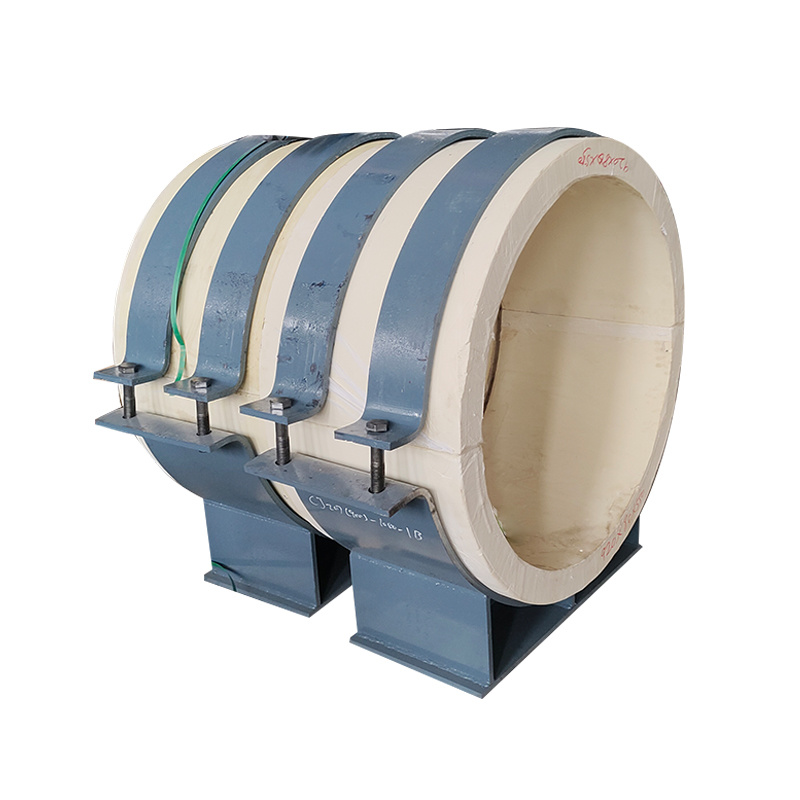
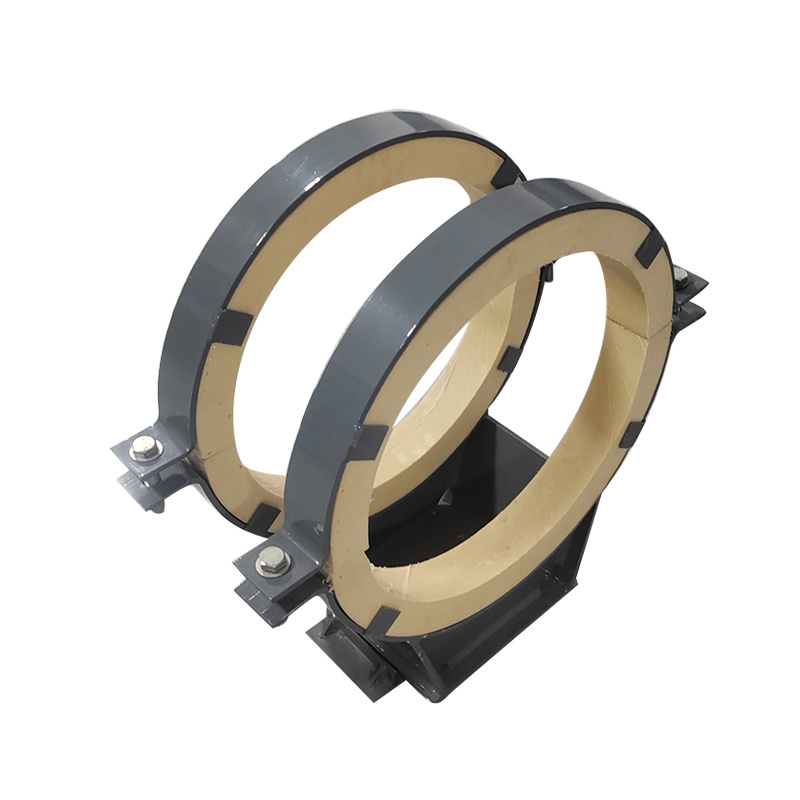
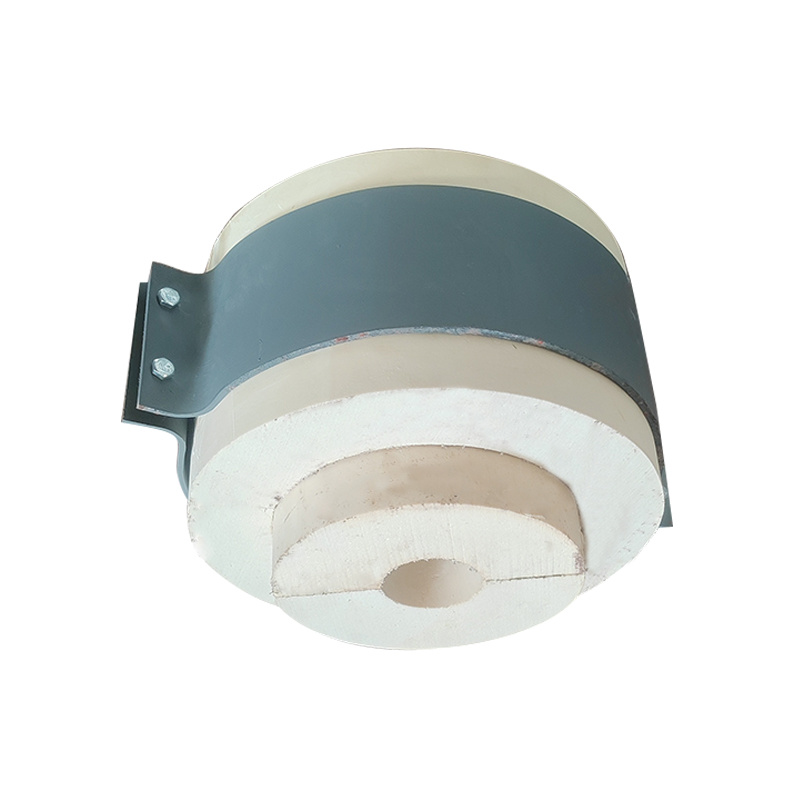
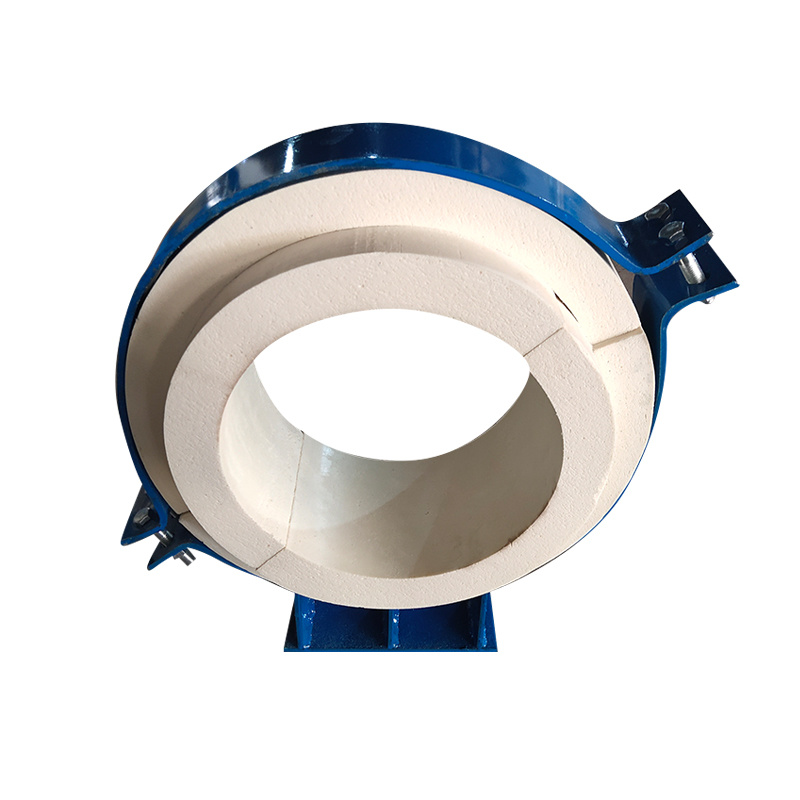
When it comes to transporting fluids over long distances, efficiency is key. Enter the concept of low-energy pipe supports, or as they say, 低能耗管托. These nifty devices play a crucial role in minimizing energy loss while ensuring that the pipes are securely held in place.
What Are Low-Energy Pipe Supports?
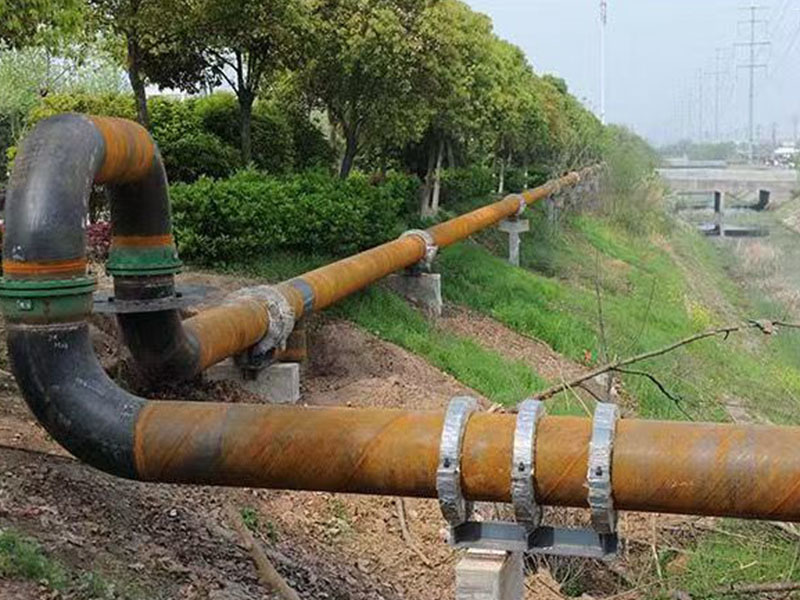
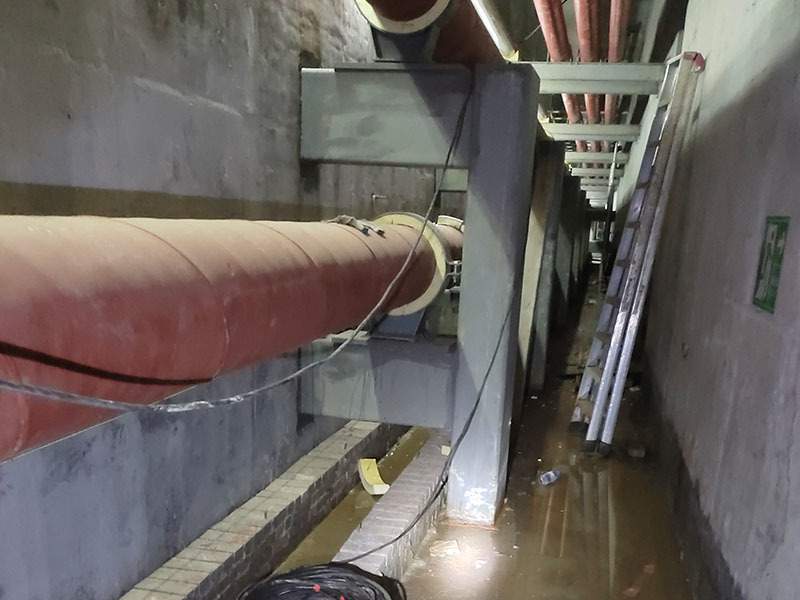
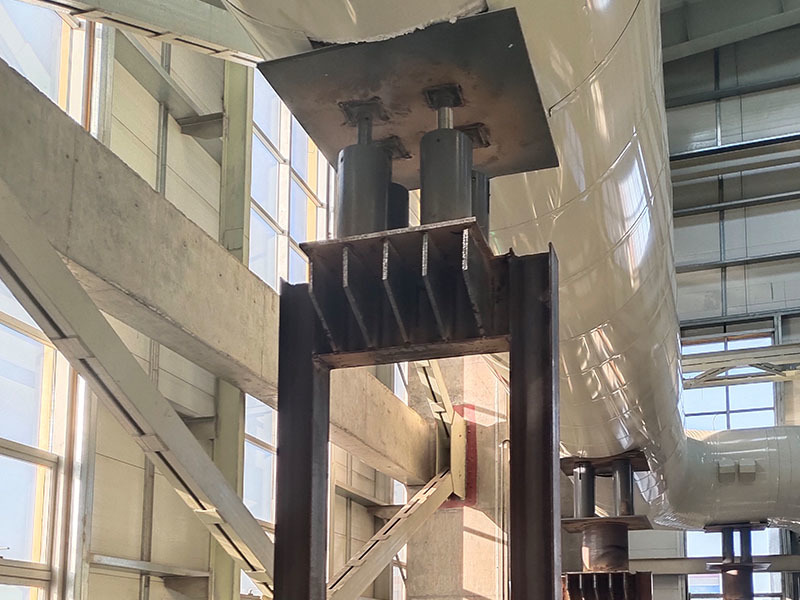
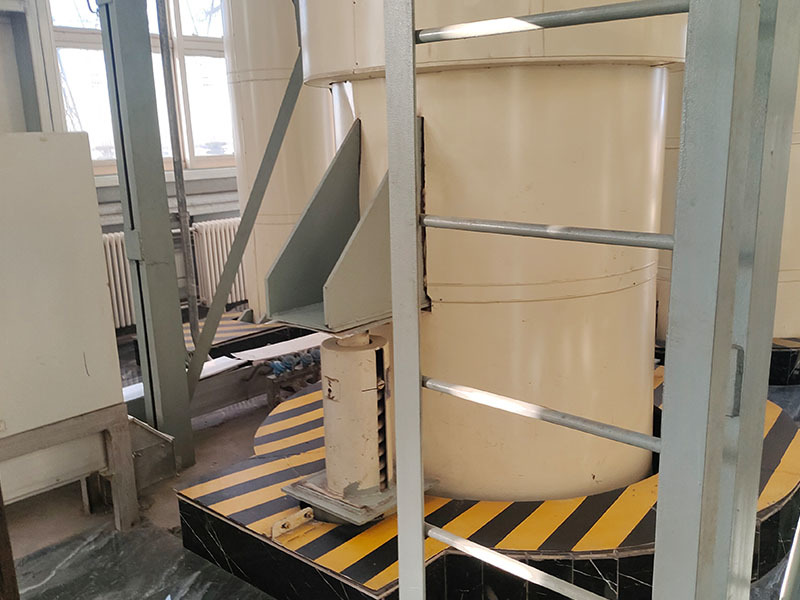
Low-energy pipe supports are specialized structures designed to support pipelines. They come into play during the transportation of liquids and gases, providing stability and reducing the energy needed to maintain the system's functionality. But how do they work?
The Working Principle
At the core of low-energy pipe supports is a simple yet effective principle: they minimize friction and resistance. By utilizing materials and designs that encourage smooth movement, these supports allow pipes to expand and contract without straining the system.
Why Are They Important?
Imagine trying to push a heavy object across a rough surface. Friction makes everything harder, right? The same goes for pipelines. Low-energy pipe supports reduce this friction, which not only saves energy but also prolongs the lifespan of the entire pipeline system.
Key Benefits
- Improved Energy Efficiency: Less energy is required to transport fluids.
- Enhanced Durability: Reduced wear and tear on pipes leads to longer service life.
- Cost-Effective: Lower energy consumption translates to reduced operational costs.
Real-World Applications
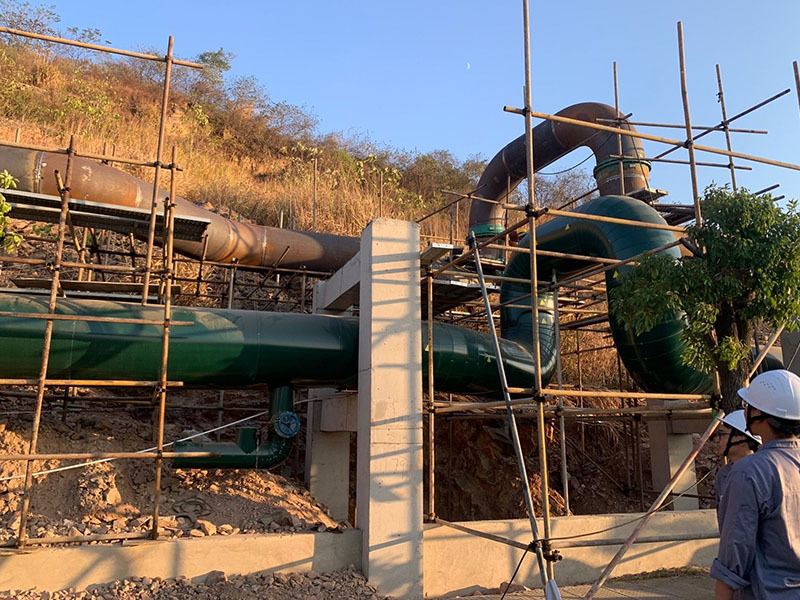
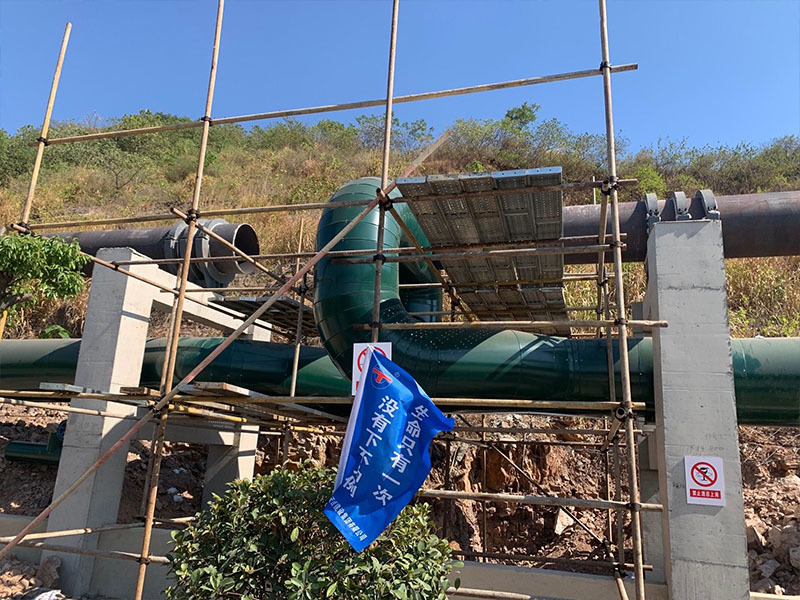
From oil and gas to water treatment, low-energy pipe supports are everywhere. They help industries transport essential resources efficiently, making them a backbone of modern infrastructure.
Challenges and Considerations
While the benefits are numerous, it's not all smooth sailing. Engineers must consider factors such as load capacity, environmental conditions, and material compatibility when designing these supports. It's a balancing act that requires both innovation and precision!
Looking Ahead
The future of low-energy pipe supports looks bright. With advancements in materials science and engineering practices, we can expect even greater efficiencies and reliability in the years to come. Plus, as industries continue to emphasize sustainability, these innovations will only gain momentum.
Conclusion
Low-energy pipe supports are more than just supports; they are vital components that enhance the efficiency of long-distance fluid transport systems. By understanding their working principles and applications, we can appreciate their role in modern engineering and sustainability efforts.
Related Products
Contact Us
Email:yml@hbhaoyan.com
Mobile/WeChat:13582677917
Mobile/WeChat:18303257771
Address: 90 meters north of Gaobianwu Bridge, G205 National Road, Yanshan County, Cangzhou City, Hebei Province, China, east of the road


