


Understanding Spring Hangers: The Unsung Heroes of Suspension Systems案例
Image Source: unsplash
What Are Spring Hangers?
Spring hangers, often overlooked, play a crucial role in the realm of suspension systems. These handy components are designed to support and stabilize the springs in various mechanical applications. Whether you're talking about vehicles or industrial machinery, spring hangers are the unsung heroes that keep everything in check!
Why Do We Need Them?
You might be wondering, why bother with spring hangers? Well, hold onto your hats! They absorb vibrations and shocks, ensuring that the components remain aligned and function smoothly. Without them, springs could sag, leading to a bumpy ride or, worse yet, mechanical failure. Yikes!
The Anatomy of a Spring Hanger
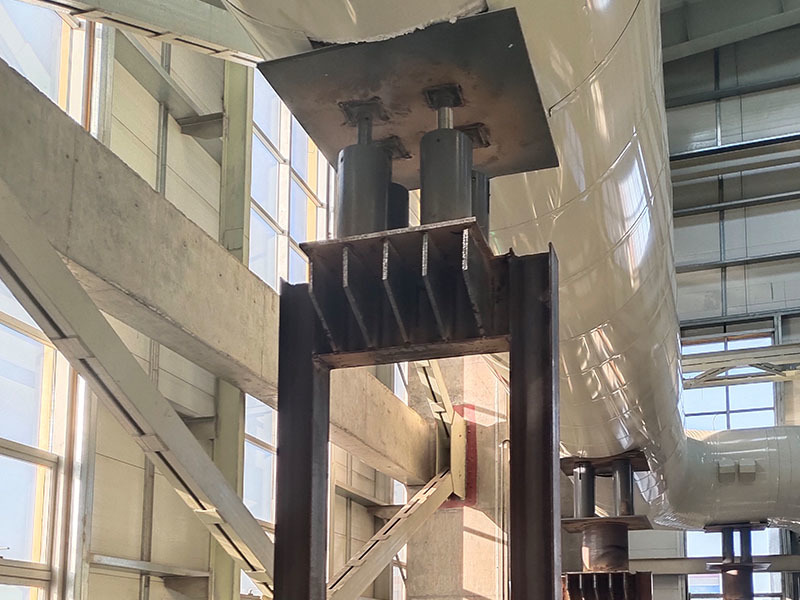
Let's break it down. A typical spring hanger consists of a bracket, a rubber or metal bushing, and sometimes a locking mechanism. The bracket attaches to the frame, while the bushing cushions the spring. This design allows for flexibility and stability—talk about a win-win!
Types of Spring Hangers
Spring hangers come in various shapes and sizes, tailored to fit different applications. Here are a few common types:
- Standard Hangers: These are your go-to for most applications, offering straightforward support.
- Adjustable Hangers: Perfect for situations where you need to tweak the height or tension. Just a twist or two, and you're good to go!
- Isolator Hangers: These help reduce noise and vibration, making them ideal for sensitive machinery. Quiet as a mouse!
Installation Tips
Alright, let's get down to brass tacks. Installing spring hangers isn't rocket science, but there are some best practices to keep in mind:
- Measure Twice, Cut Once: Ensure you have the right size before you start. A little preparation can save you a lot of headaches later on.
- Secure Fasteners: Don't skip on the bolts and nuts! Tighten everything properly to avoid any loose ends.
- Check Alignment: Make sure everything lines up perfectly. Misalignment can lead to premature wear and tear.
Common Issues and Troubleshooting
Even the best systems have their hiccups. Here are a few common issues you might encounter with spring hangers:
- Wear and Tear: Over time, hangers can degrade. Regular inspections are key!
- Noise: If you're hearing a clunking sound, it might be time to check your hangers. Something could be loose.
- Alignment Issues: If your suspension feels off, double-check the installation. A little misalignment can make a big difference.
When to Replace
So, when should you consider replacing your spring hangers? If you notice significant wear, such as cracks or rust, it's time to swap them out. Trust me, it's better to be proactive than reactive!
Conclusion: The Importance of Spring Hangers
In the grand scheme of things, spring hangers might not get the spotlight they deserve, but their contribution to mechanical systems is undeniable. They ensure stability, absorb shocks, and keep everything running smoothly. So, next time you're cruising down the road or using heavy machinery, give a nod to those little components that make a big difference!
Related Products
Contact Us
Email:yml@hbhaoyan.com
Mobile/WeChat:13582677917
Mobile/WeChat:18303257771
Address: 90 meters north of Gaobianwu Bridge, G205 National Road, Yanshan County, Cangzhou City, Hebei Province, China, east of the road


