


Understanding Cryogenic Pipe Support: Essential Insights and Innovations案例
Image Source: unsplash
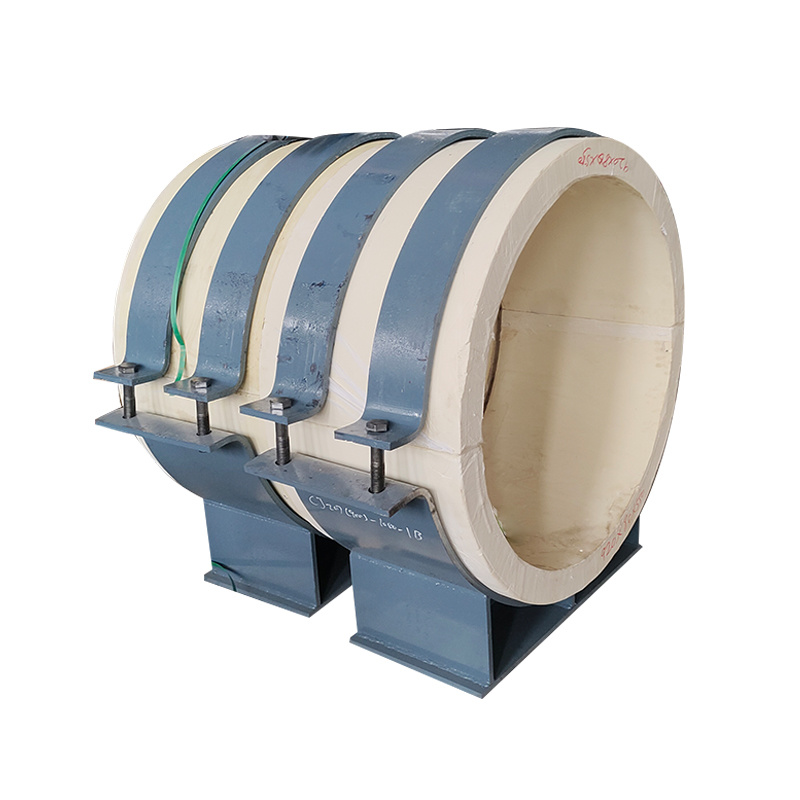
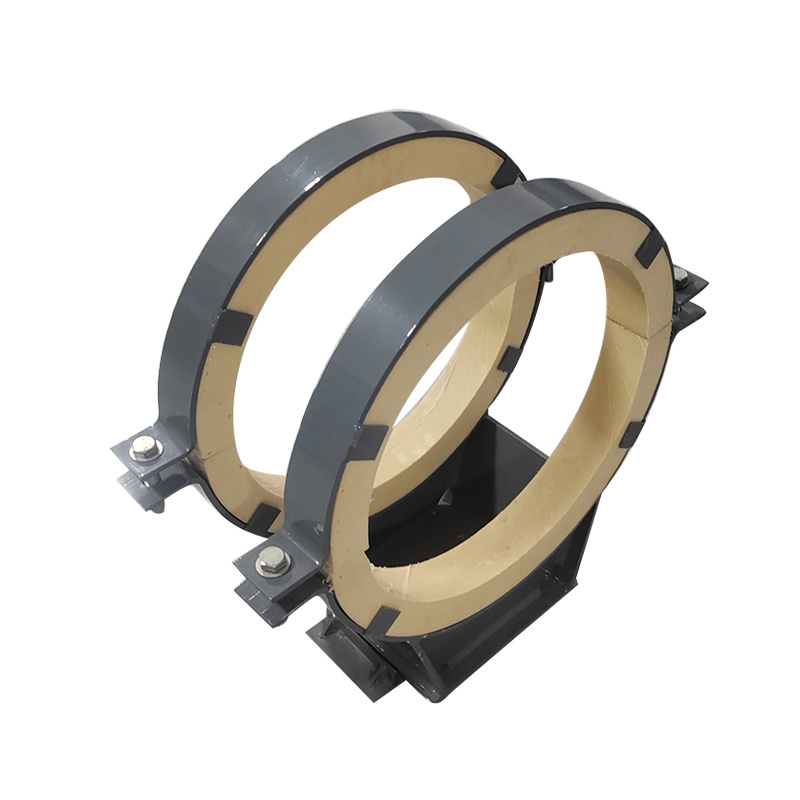
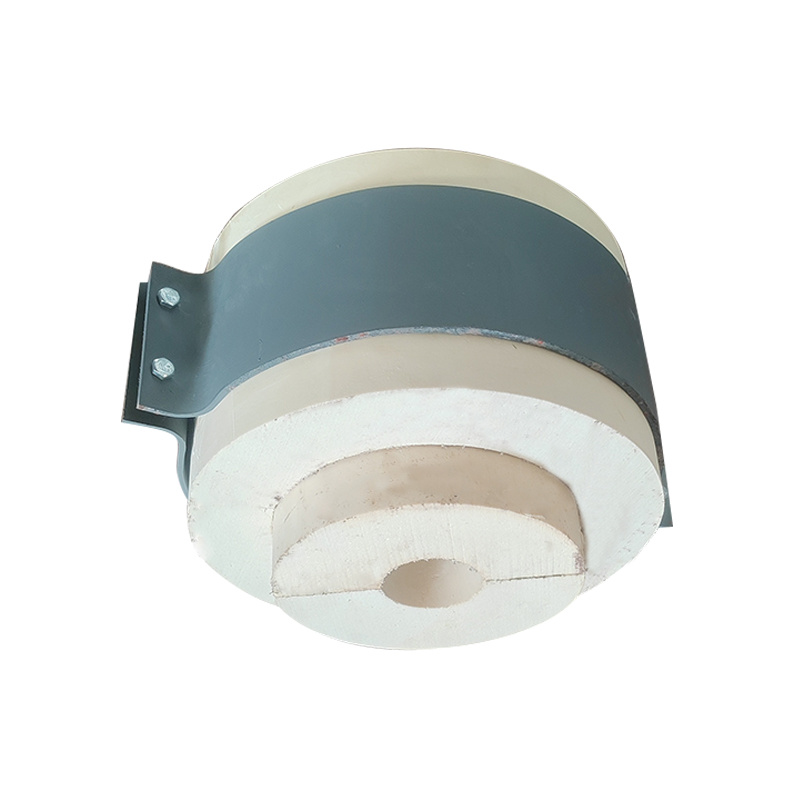
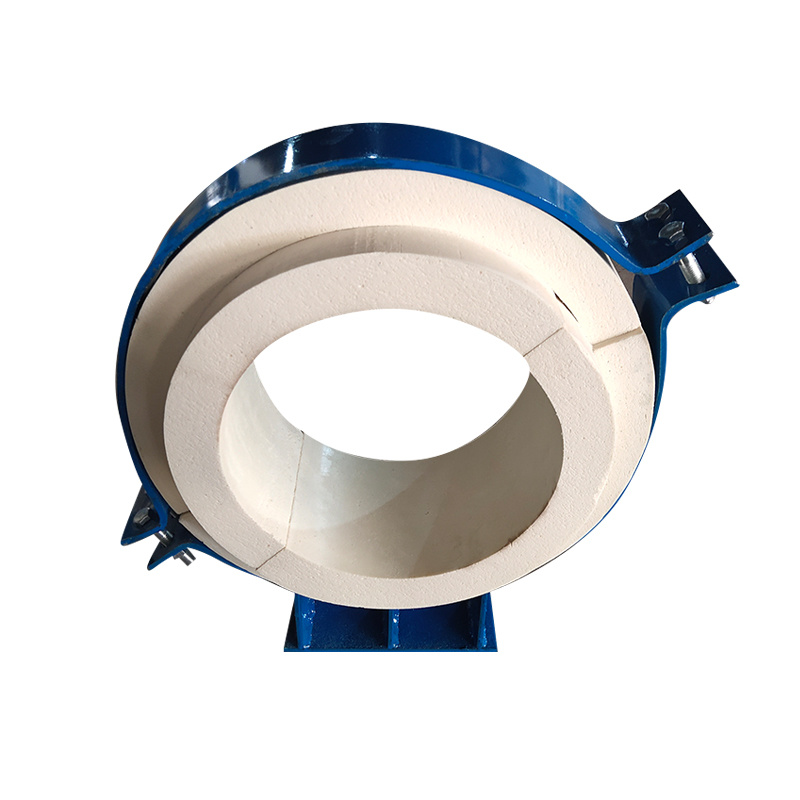
The Lowdown on Cryogenic Pipe Support
When it comes to handling ultra-cold temperatures in industrial settings, the unsung hero is none other than cryogenic pipe support. These specialized supports ensure that pipelines carrying liquefied gases operate smoothly and safely, even in the coldest environments. Let's unpack the significance of these structures and how they contribute to various industries.
Why Cryogenic Pipe Support Matters
Imagine this: pipelines that transport materials at temperatures below -150 degrees Celsius. That's not just chilly; it's downright frigid! Regular pipe supports simply won't cut it under these conditions. Cryogenic pipe support is designed to manage not only the weight of the pipe but also the thermal contraction that occurs as temperatures drop. If you think about it, it's all about stability and safety!
Materials That Stand the Test
So, what materials are used in cryogenic pipe support? You guessed it! The go-to choices include stainless steel and special alloys that can withstand extreme cold without becoming brittle. These materials are often treated or coated to resist corrosion and ensure longevity. Talk about durability!
Applications Across Various Industries
Cryogenic pipe support isn't just a one-trick pony. It plays a vital role in several sectors:
- Liquefied Natural Gas (LNG): These supports facilitate the transport of LNG from production to storage, ensuring safety and efficiency.
- Medical Gas Systems: In hospitals, cryogenic systems deliver oxygen and nitrous oxide—trust us, those supports are crucial!
- Aerospace: In rocket propulsion, cryogenic fuels require meticulous handling, and that's where these supports shine.
Design Considerations
Designing cryogenic pipe supports isn't just about throwing some metal together. Engineers need to consider factors like:
- Thermal Expansion: Understanding how materials expand and contract with temperature changes is key!
- Load Bearing: The supports must manage not just the static load but also dynamic forces caused by movement.
Innovations in Cryogenic Support
As technology advances, so do the methods and materials used in cryogenic pipe support systems. Innovations often focus on enhancing performance and reducing costs. For instance, 3D printing has started to play a role in creating customized supports that are both lightweight and strong. How's that for cutting-edge?
The Future Looks Bright
With the ever-growing demand for energy and the expansion of the healthcare sector, the future of cryogenic pipe support is looking rosy. Industries are investing in more efficient and reliable support structures, ensuring that the coldest materials can be transported safely.
Conclusion
In a nutshell, cryogenic pipe support is a critical component in the safe transportation of materials at ultra-low temperatures. From LNG to medical gases and beyond, these structures ensure that industries can operate smoothly, efficiently, and safely. As technology continues to evolve, we can expect even more exciting advancements in this niche yet vital field!
Related Products
Contact Us
Email:yml@hbhaoyan.com
Mobile/WeChat:13582677917
Mobile/WeChat:18303257771
Address: 90 meters north of Gaobianwu Bridge, G205 National Road, Yanshan County, Cangzhou City, Hebei Province, China, east of the road


