

Unlocking the Secrets of Thermal Insulation Pipe Supports: Common Questions Answered案例
Introduction to Thermal Insulation Pipe Supports
So, you've heard about Thermal Insulation Pipe Supports, or as we like to call them in English, thermal insulation pipe supports. These nifty little devices play a pivotal role in various industries, particularly in the realm of HVAC and plumbing. But what are they, and why does everyone seem to be talking about them lately? Let's unravel this mystery together!
What Exactly Are Thermal Insulation Pipe Supports?
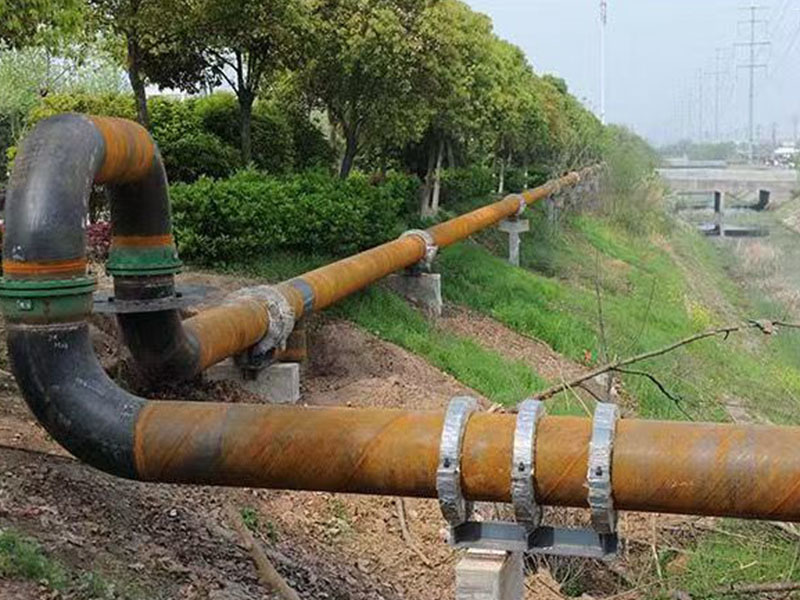
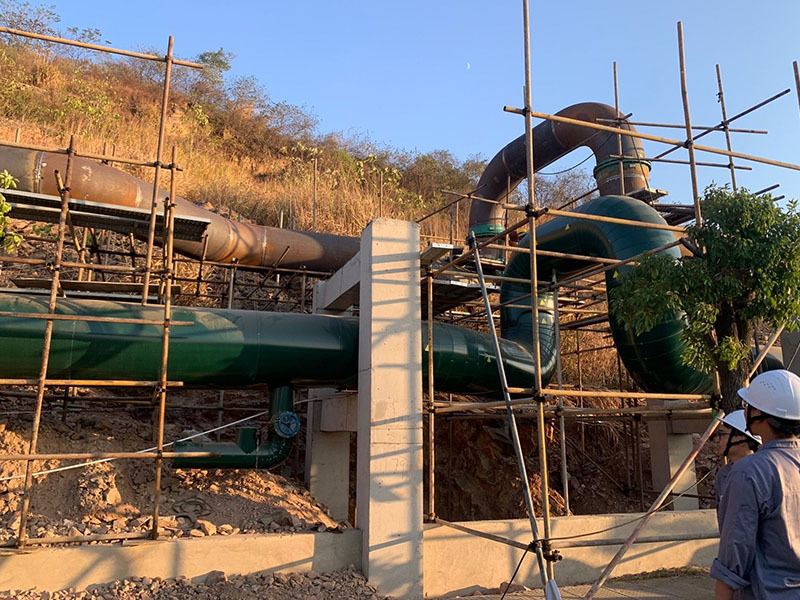
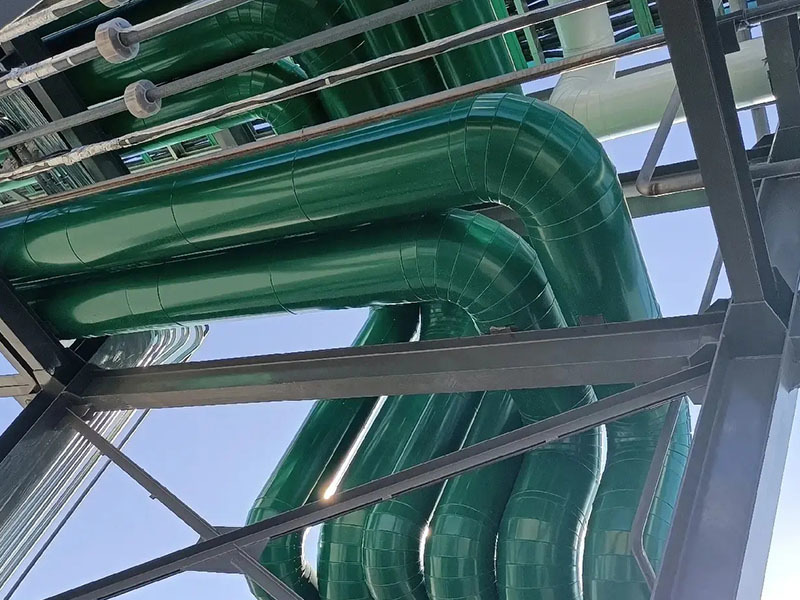
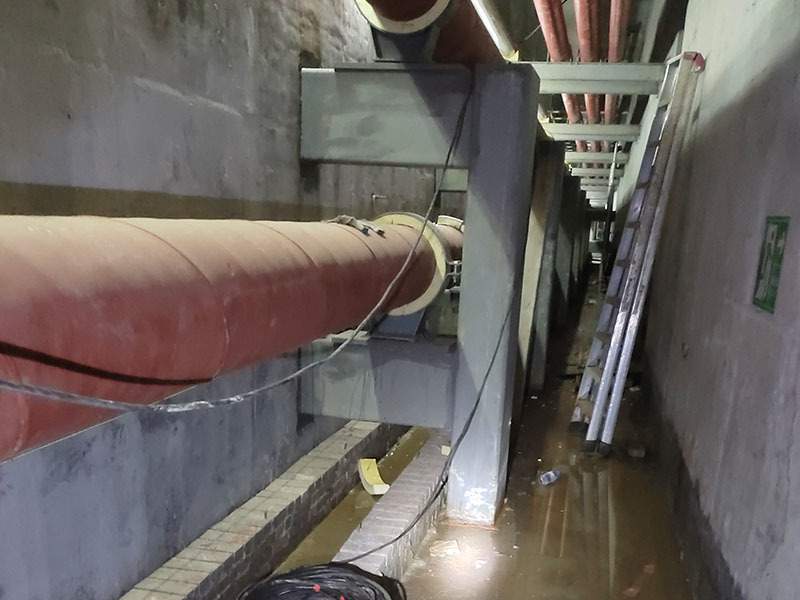
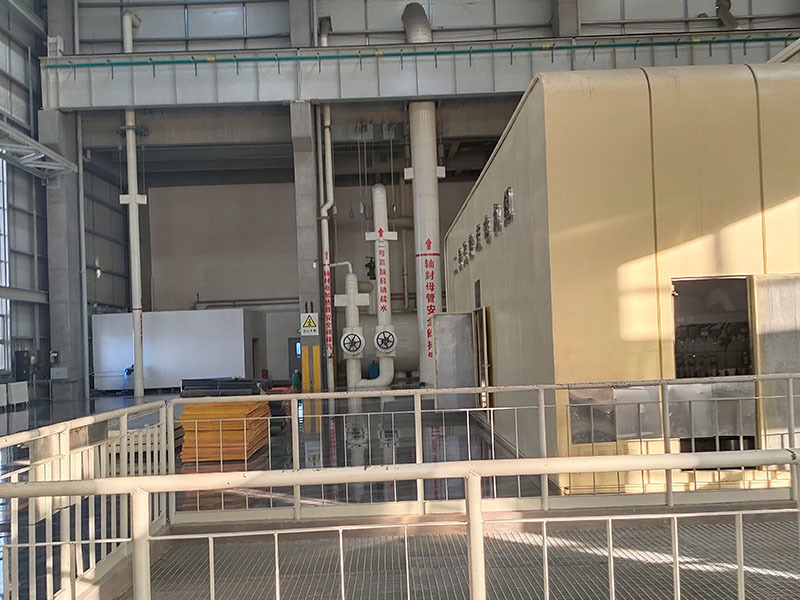
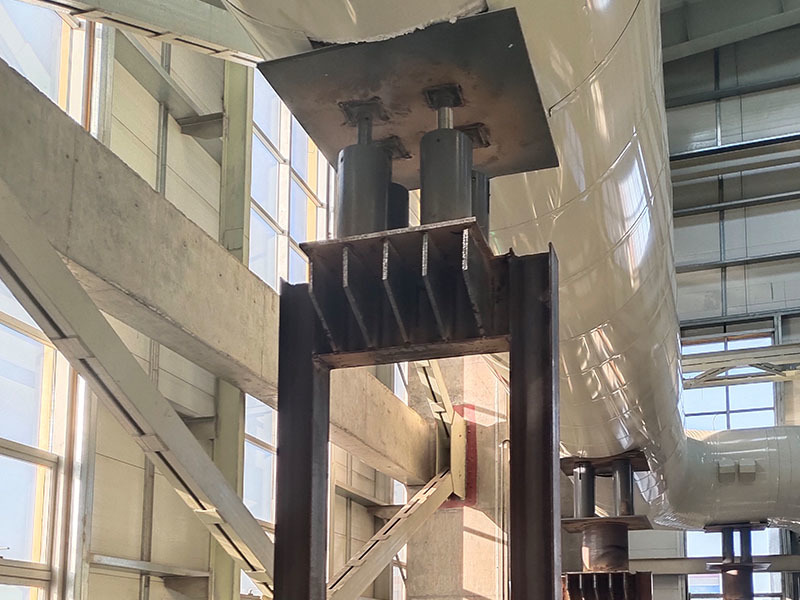
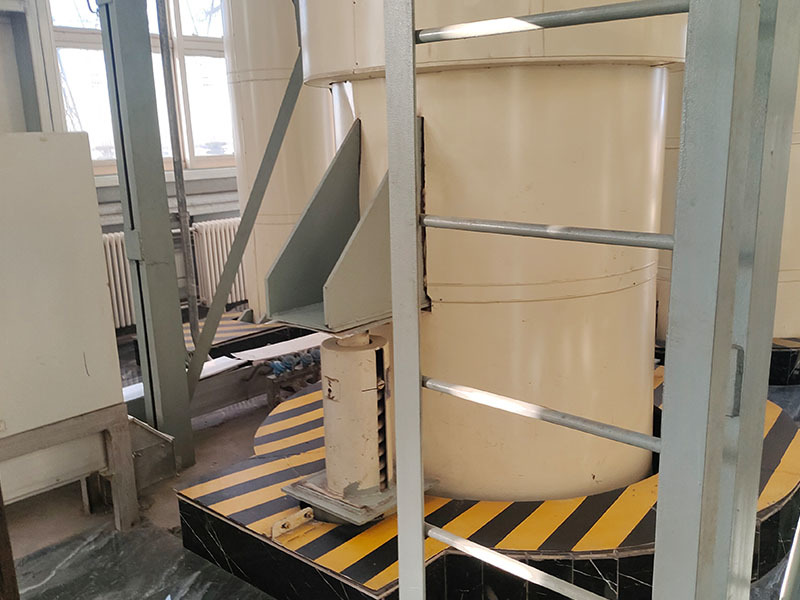
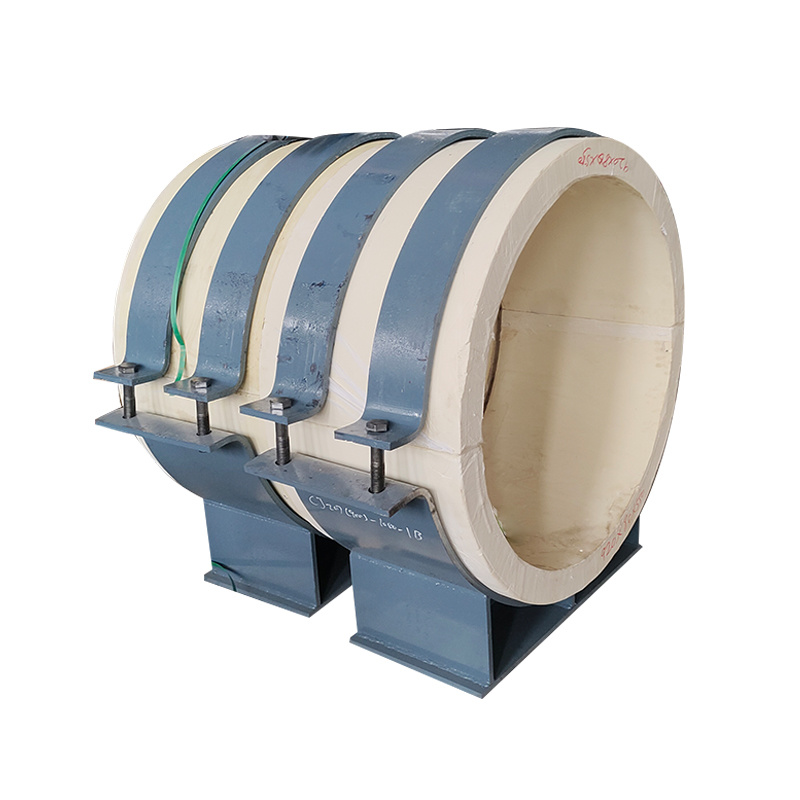
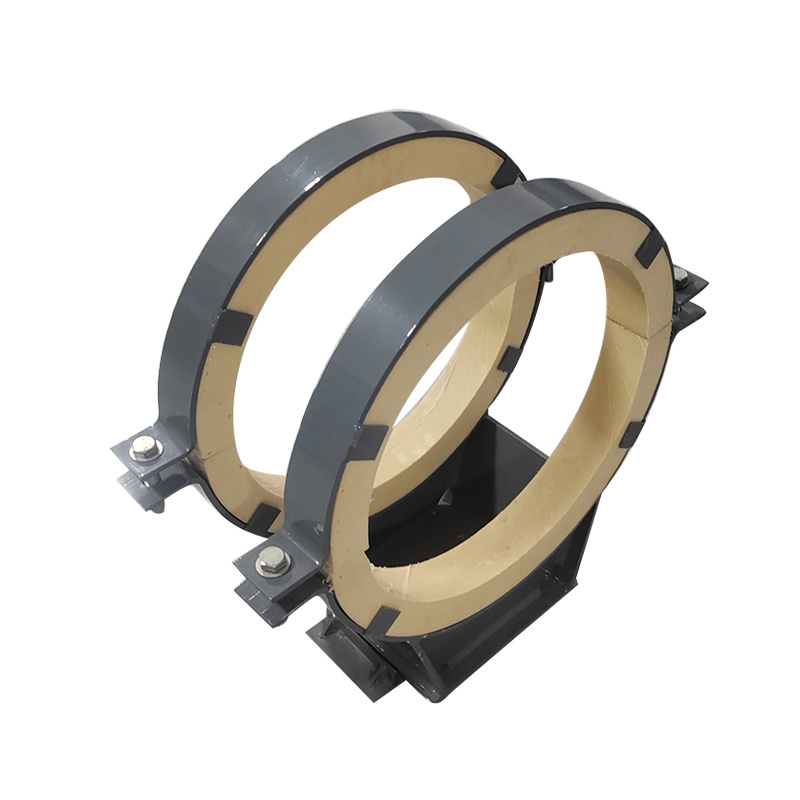
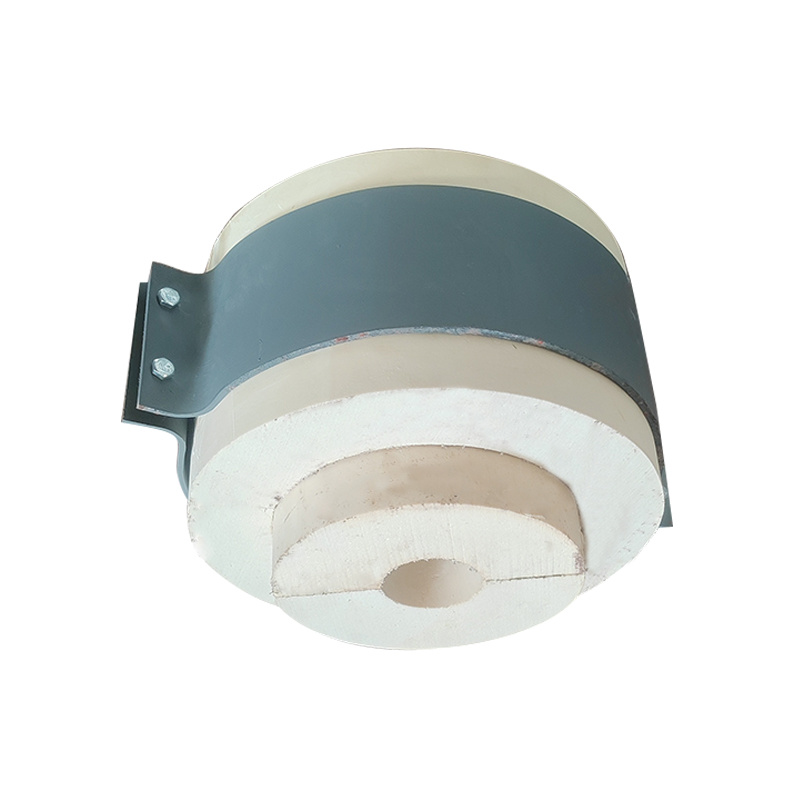
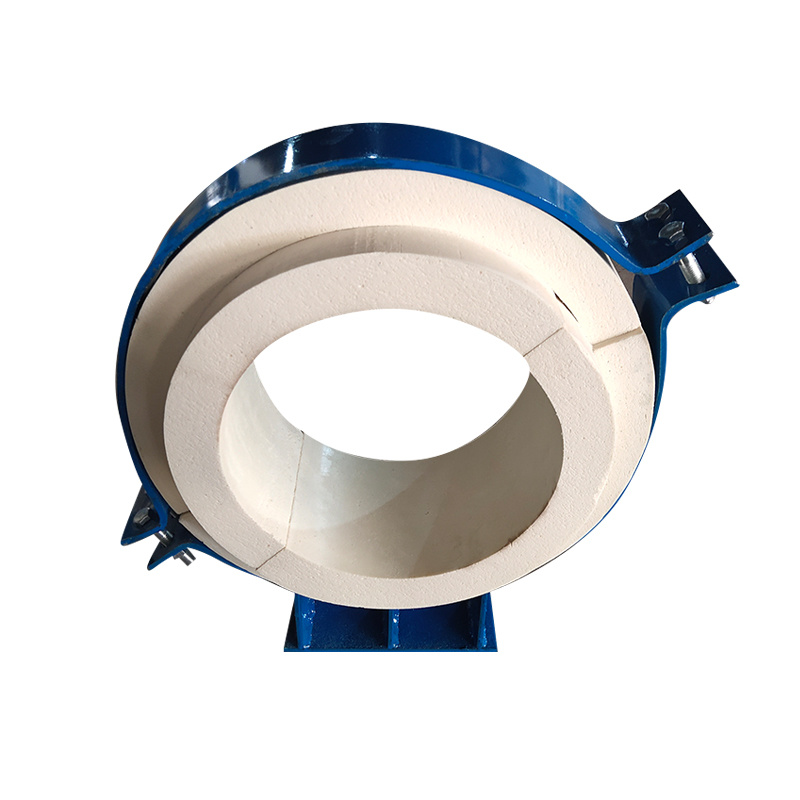
In a nutshell, thermal insulation pipe supports are designed to support and insulate piping systems that carry hot or cold fluids. Think of them as the unsung heroes of temperature regulation! Their primary job? To minimize heat loss or gain, thereby improving energy efficiency. But, hang on! That's not all. They also aid in preventing condensation and corrosion, which can lead to costly repairs if not managed properly.
Common Questions About Thermal Insulation Pipe Supports
Now that we're all on the same page, let's tackle some common queries that often pop up regarding these crucial components.
1. How Do I Choose the Right Type?
Ah, the million-dollar question! Choosing the right thermal insulation pipe supports often boils down to the specifics of your project. Consider factors like pipe size, the temperature of the fluid being transported, and the external environment. For instance, if you've got a hot water pipe, you'll want a support that can handle high temperatures without breaking a sweat!
2. Are They Easy to Install?
Let's be real here: installation can vary based on the complexity of your piping system. But generally speaking, thermal insulation pipe supports are designed with user-friendliness in mind. Many come pre-assembled, making the installation process a breeze. Just grab your tools and get to work!
3. What Materials Are Commonly Used?
Materials matter, folks! You'll often find these supports made from materials like PVC, fiberglass, or metal. Each material has its pros and cons, so it's crucial to weigh your options based on durability, insulation properties, and cost-effectiveness. Don't skimp on quality though; after all, you want these supports to stand the test of time!
4. How Do They Contribute to Energy Efficiency?
Great question! By minimizing thermal bridging and heat loss, thermal insulation pipe supports keep your energy bills in check. You might not notice a difference right away, but over time, the savings can really add up. Not to mention, they also help in reducing environmental impact—talk about a win-win!
Final Thoughts
So there you have it! A quick dive into the world of thermal insulation pipe supports, or Thermal Insulation Pipe Supports if you're feeling fancy. By understanding their purpose and how to select the right ones, you can make informed decisions that lead to a more efficient and cost-effective project. Who knew insulation could be this exciting, right? If you have more questions, don't hesitate to reach out! Knowledge is power, after all.
Related Products
Contact Us
Email:yml@hbhaoyan.com
Mobile/WeChat:13582677917
Mobile/WeChat:18303257771
Address: 90 meters north of Gaobianwu Bridge, G205 National Road, Yanshan County, Cangzhou City, Hebei Province, China, east of the road


