

Understanding the Working Principle of Pipe Supports: A Deep Dive案例
What is Pipe Supports?
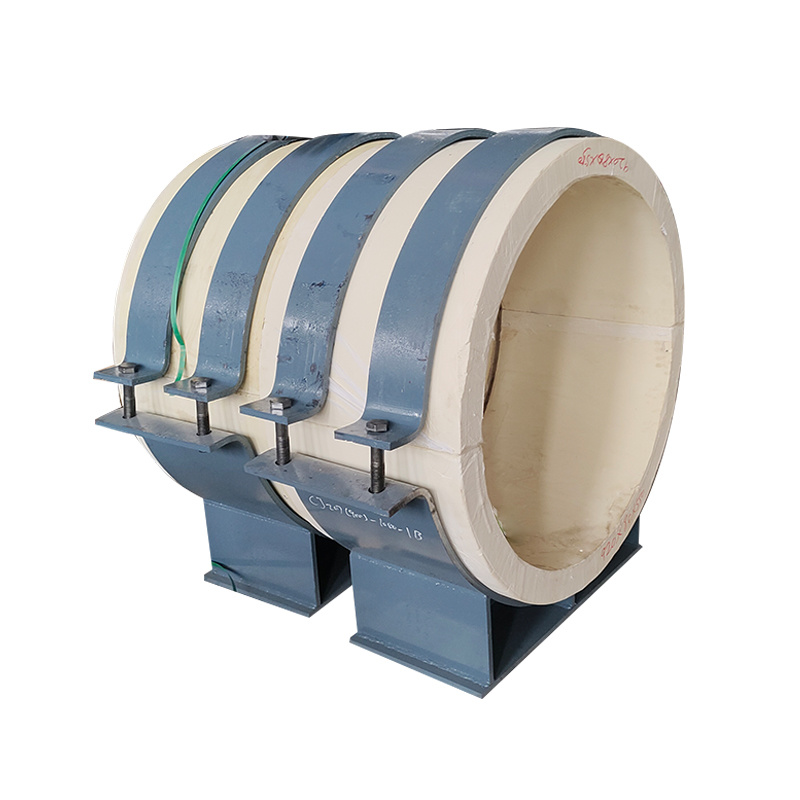
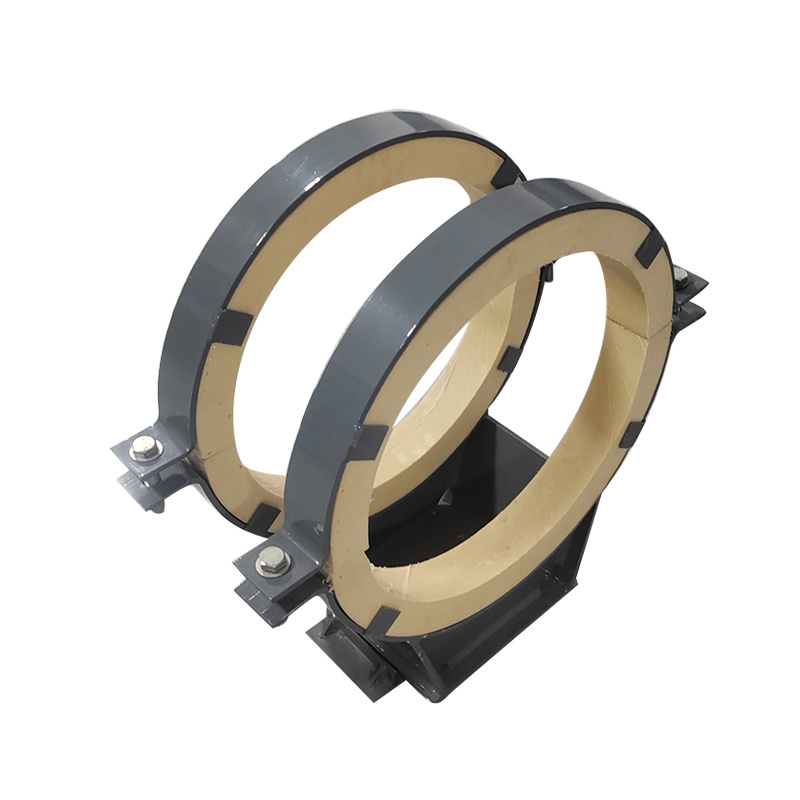
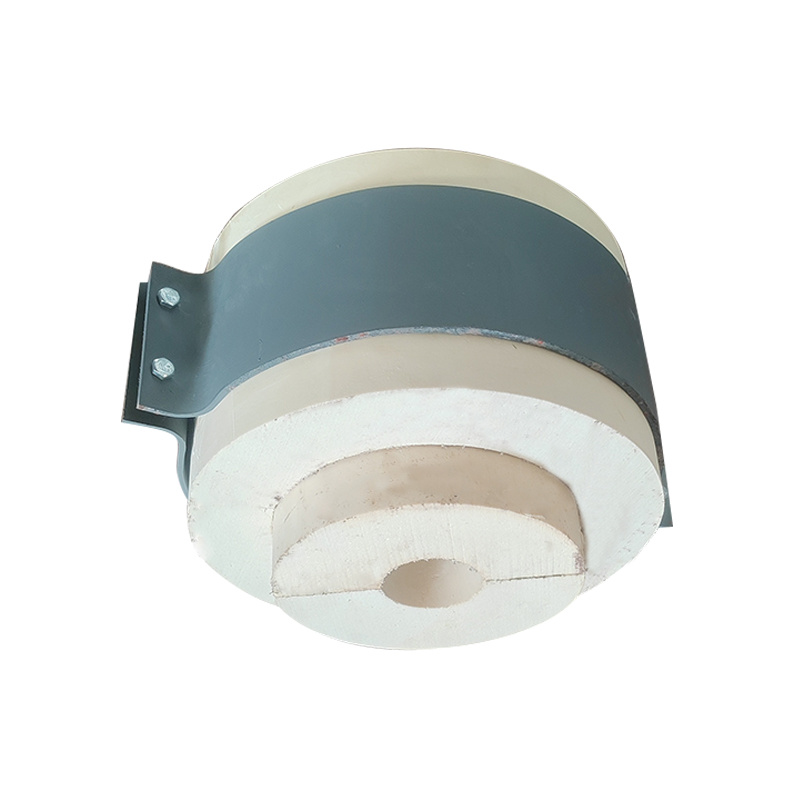
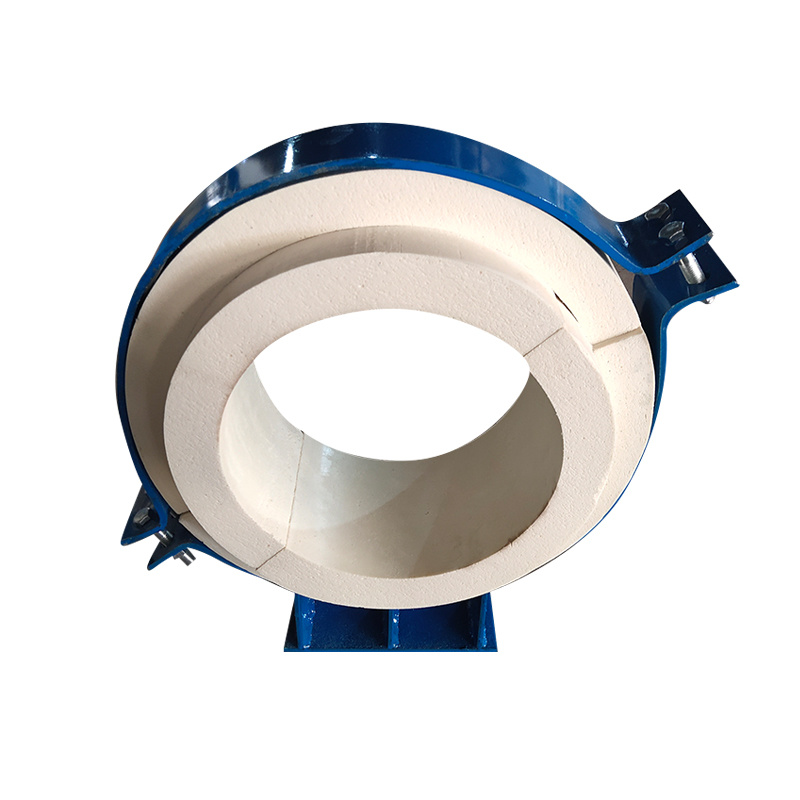
Ah, the world of industrial piping! It's not just a jumbled mess of tubes and cables, folks. One of the unsung heroes in this realm is the Pipe Supports, known in English as "pipe supports." These nifty little devices play a crucial role in maintaining the integrity and efficiency of piping systems. So, let's take a closer look at how they work and why they're essential in various industries.
The Basics: What Do They Do?
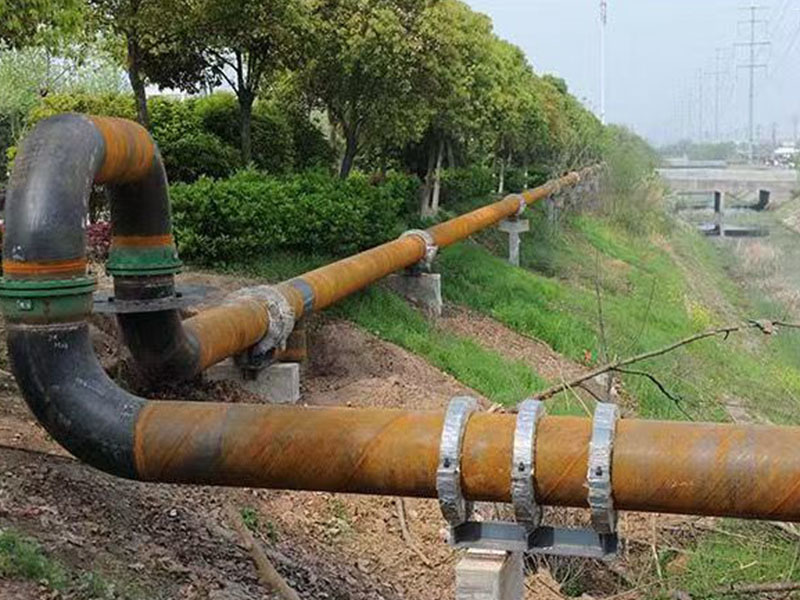
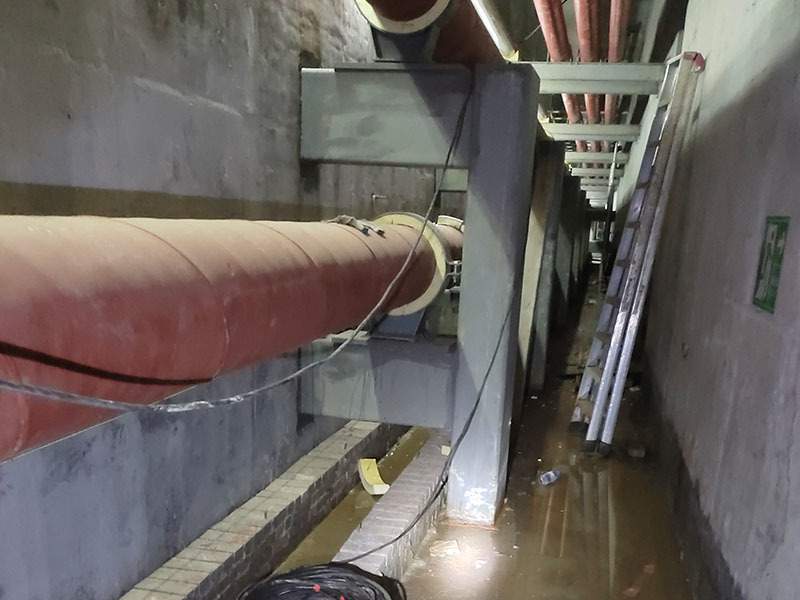
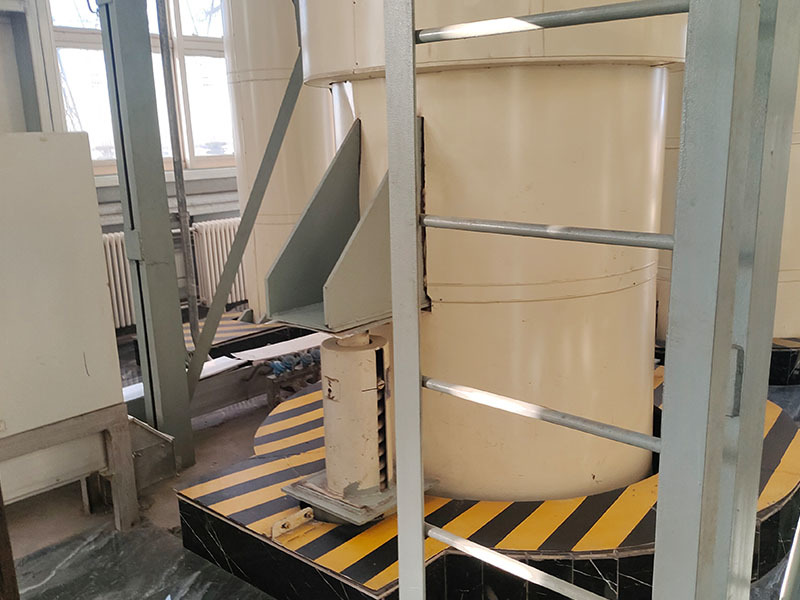
The primary function of these pipe supports is to hold and stabilize pipes, ensuring they remain in their designated position. Picture this: if pipes were to sag or shift, it could lead to leaks, inefficiencies, or even catastrophic failures! Yikes! That's where the Pipe Supports comes in, providing the necessary support to keep everything in check.
How Do They Work?
Alright, let's get into the nitty-gritty of their working principle. These supports are designed to absorb various loads and forces acting on the pipes. For instance, thermal expansion can cause pipes to expand and contract, which may be a recipe for disaster without proper support!
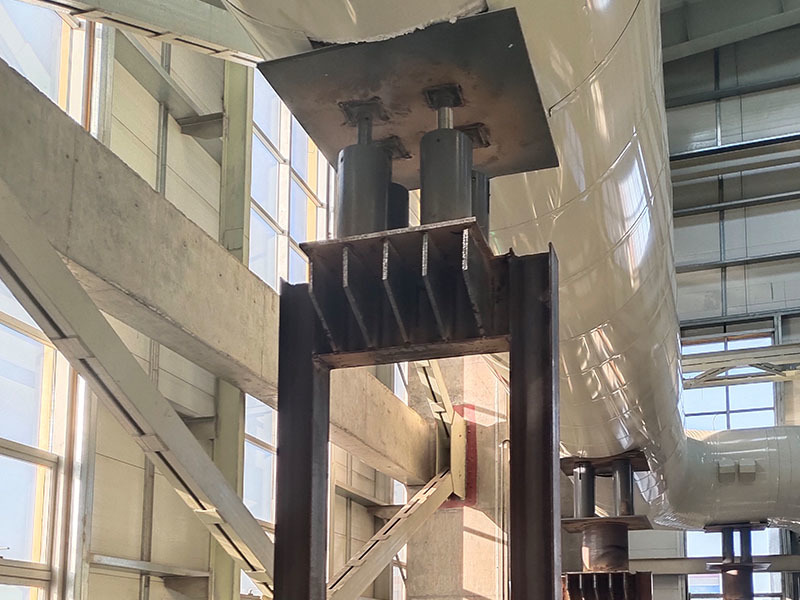
Here's the kicker: the Pipe Supports is engineered to accommodate these movements while still providing unwavering support. They are typically made from durable materials like steel or plastic, designed to withstand harsh conditions. Talk about resilience!
Types of Pipe Supports
Now, not all pipe supports are created equal. There are various types, each serving distinct purposes:
- Fixed Supports: These bad boys prevent any movement of the pipe, offering solid stability.
- Sliding Supports: These allow for axial movement while preventing vertical movement, perfect for accommodating thermal expansion.
- Hanger Supports: These are used for overhead piping, suspending pipes from above—think of them as the "lifeguards" of the piping world!
Importance in Different Industries
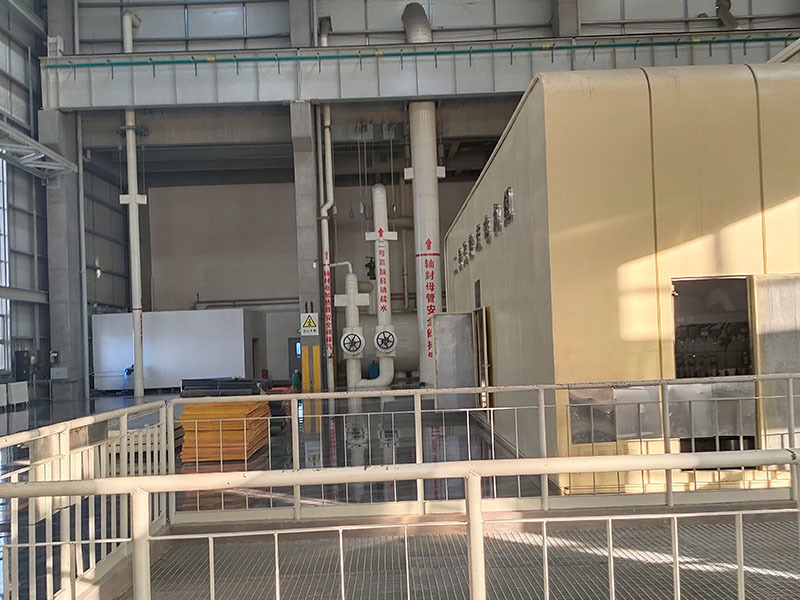
The significance of Pipe Supports transcends industries. From oil and gas to food processing, these supports ensure that piping systems operate smoothly and efficiently.
In the oil and gas sector, for instance, the stakes are incredibly high. A single leak can lead to disastrous consequences, both environmentally and economically. Here, the robust design of pipe supports becomes a linchpin in safeguarding the entire system.
In food processing, maintaining the right temperature is crucial. The supports ensure that cooling pipes remain steady, preventing any fluctuations that could spoil the goods. Now, that's what I call a win-win!
Installation and Maintenance
So, how do you install these supports? It's not rocket science, but it does require a bit of know-how. Proper placement is key; supports must be installed at intervals that correspond to the pipe's diameter and weight.
And don't forget maintenance! Regular checks can prevent issues before they escalate. A small crack or rust can lead to significant problems down the road. So, keep those eyes peeled!
Conclusion: The Unsung Heroes
In conclusion, the Pipe Supports is more than just a support; it's a vital component in the grand scheme of industrial piping. Its ability to absorb forces, accommodate movement, and maintain stability makes it indispensable across various sectors. So, next time you see a pipe support, give it a nod of appreciation. After all, it's doing the heavy lifting—literally! Cheers to the unsung heroes of the piping world!
Related Products
Contact Us
Email:yml@hbhaoyan.com
Mobile/WeChat:13582677917
Mobile/WeChat:18303257771
Address: 90 meters north of Gaobianwu Bridge, G205 National Road, Yanshan County, Cangzhou City, Hebei Province, China, east of the road


